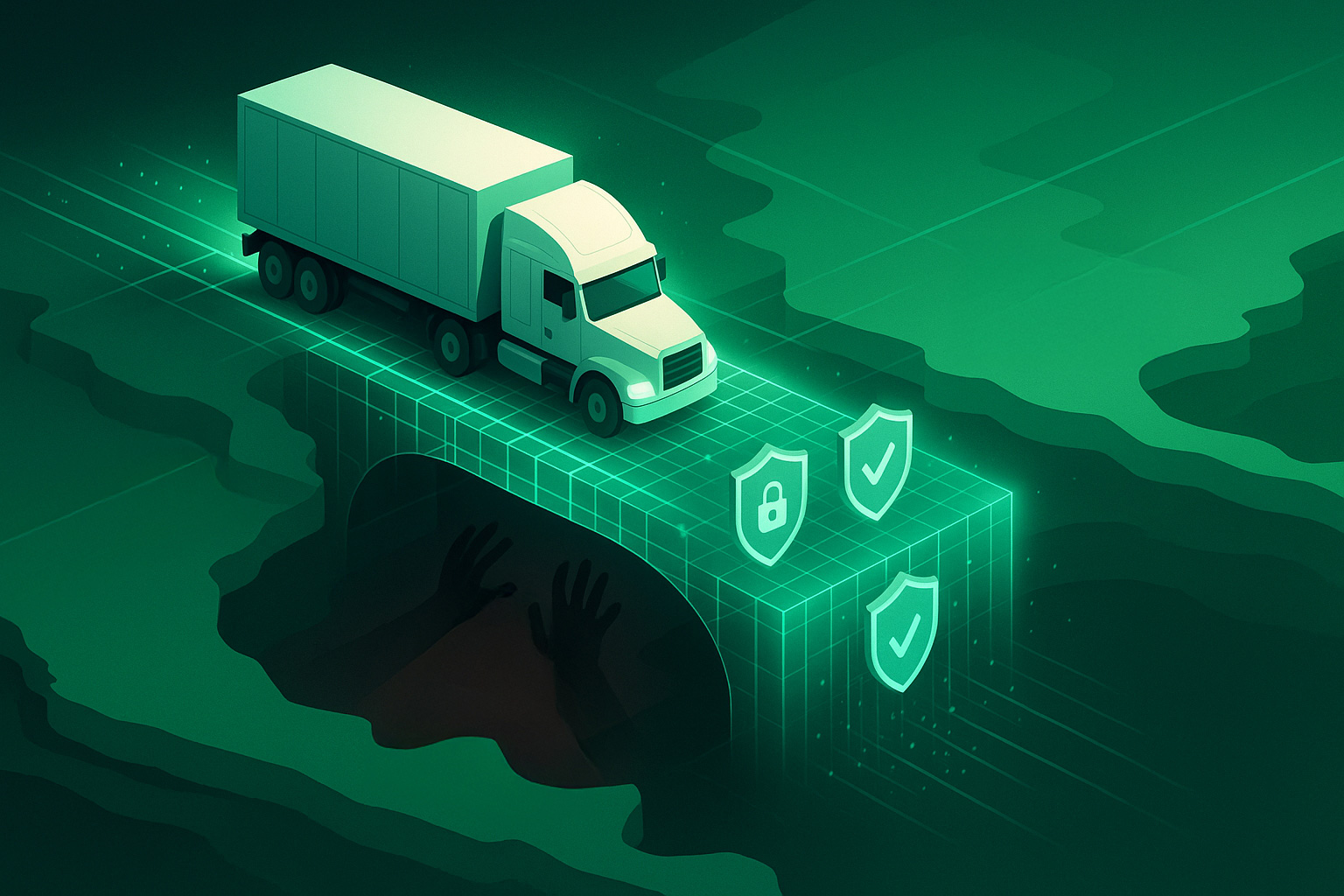
The dual crisis shaping U.S.–Mexico freight in 2025 Shippers moving goods from Mexico to the United States, whether industrial machinery , automotive parts , or food and beverages , are facing a new set of risks. A worsening truck driver shortage and a surge in cargo theft in Mexico 2025 are combining to threaten the reliability of cross-border supply chains. The numbers are stark: Mexico is already short 56,000 drivers , with the gap projected to reach 106,000 by 2028 . At the same time, theft incidents are rising in central states like Puebla, Guanajuato, and State of Mexico, where criminals are stealing not just goods but entire trucks and trailers . For importers, this means higher landed costs, compliance pressure, and more operational risk. Cargo theft: a growing risk for U.S.–Mexico logistics Cargo theft in Mexico is disrupting freight flows in industries from electronics to building materials . The biggest impacts include: Hotspots : Puebla, Guanajuato, and State of Mexico. Targeted goods : Food & beverage shipments, construction materials, and consumer goods. Tactics : Full truckload hijackings, violent theft, and stolen trailers. The driver shortage: fewer trucks available for cross-border freight The Mexico truck driver shortage is tightening available capacity for northbound shipments. Many drivers are leaving the profession due to low wages and safety concerns, while carriers face profitability challenges from a strong peso and higher fuel costs. Shippers importing industrial machinery , pharma , or retail goods are already seeing the effects: less reliable coverage, lane surcharges, and shrinking carrier pools. A paradox: oversupply and shortage at once While driver numbers are shrinking, some lanes still show cross-border trucking overcapacity . Earlier tariff fears drove shippers to front-load freight, leaving some carriers idle today. Truck sales are down 41% , signaling financial stress in the sector. The paradox: soft freight rates now, higher reliability risks later . Learn more about What Importers Need to Know About Mexico’s New Electronic Declaration of Value (Manifestación de Valor).
Related reading
How shippers can respond
The dual challenges of cargo theft and driver shortages require proactive strategies. Shippers can reduce risk and protect supply chains by:
- Investing in freight visibility: Real-time tracking to detect theft attempts or customs delays early.
- Routing securely: Using vetted carriers, safer corridors, and contingency plans for high-risk regions.
- Improving customs compliance: Ensuring paperwork flows seamlessly to avoid bottlenecks at the border.
- Partnering strategically: Working with a trusted cross-border logistics partner that integrates customs brokerage and freight.
Why this matters for nearshoring and manufacturing
Mexico continues to attract investment, $21.4B in Q1 2025 foreign direct investment, with expansions in automotive, electronics, and medical devices. But security and labor shortages risk eroding Mexico’s nearshoring advantage if left unchecked.
U.S. importers should account not just for tariff volatility but also for hidden operational costs from theft and driver shortages.
Nuvocargo’s perspective: securing supply chains
At Nuvocargo, we combine freight brokerage, customs expertise, and AI-powered visibility tools to help shippers navigate these challenges.
Our solutions include:
By turning customs paperwork and carrier communication into structured, real-time data, Nuvocargo reduces the blind spots where theft and misalignment thrive.
FAQs – Cargo theft and driver shortage in Mexico
What industries are most affected by cargo theft in Mexico?
Food & beverages, building materials, and consumer goods are top targets, though industrial machinery and electronics are also at risk.
How serious is Mexico’s truck driver shortage?
The gap is currently 56,000 drivers and expected to nearly double to 106,000 by 2028, affecting freight capacity and reliability.
How can shippers reduce risk on Mexico–U.S. routes?
Invest in real-time freight visibility, work with vetted carriers, and partner with a cross-border logistics provider that integrates customs and freight operations.
Final thought
The U.S.–Mexico trade corridor is central to nearshoring and manufacturing in 2025. But theft and driver shortages are shifting the cost equation. Shippers that prioritize visibility, compliance, and secure orchestration will be best positioned to keep freight moving safely and on time.
👉 Ready to secure your cross-border supply chain? Connect with Nuvocargo today.